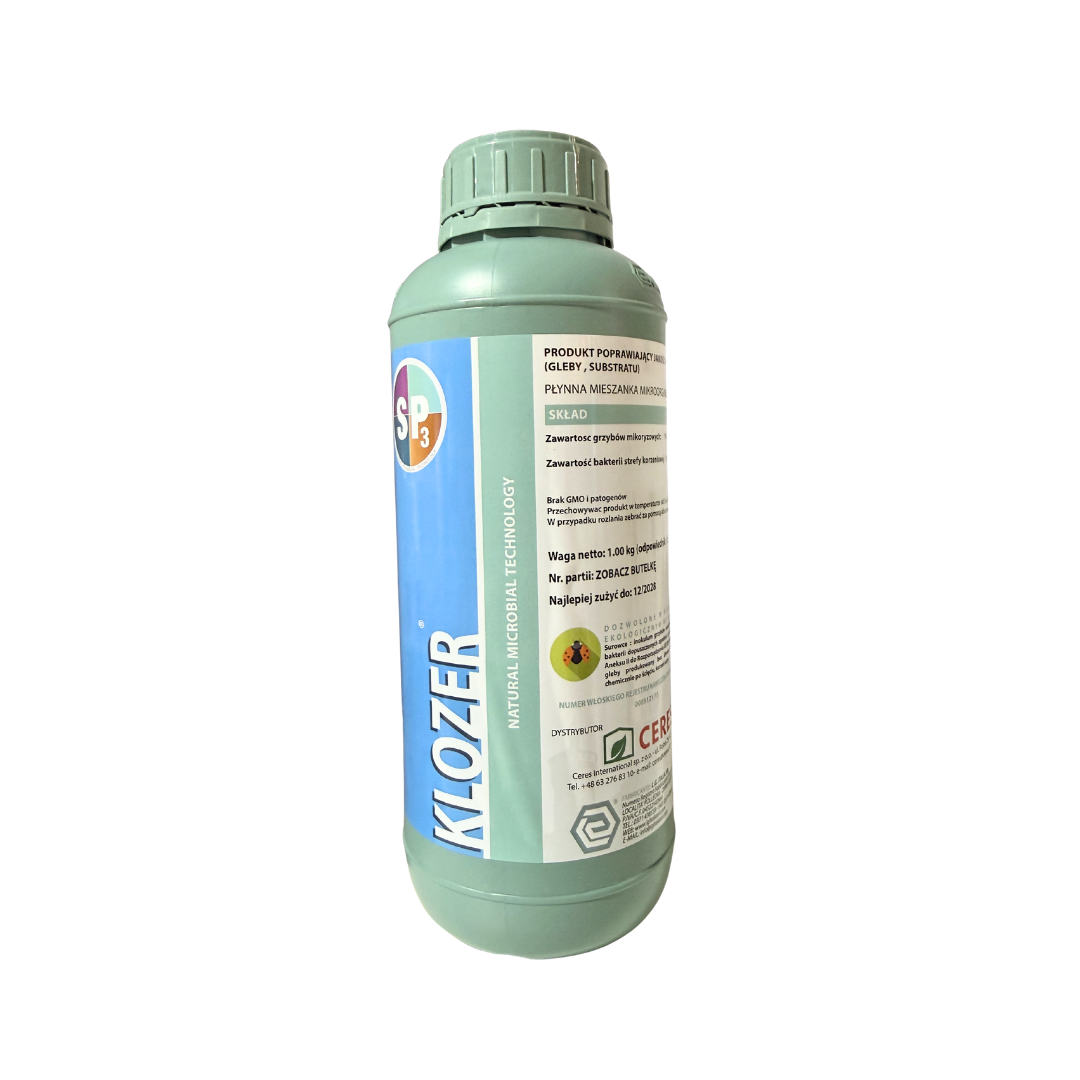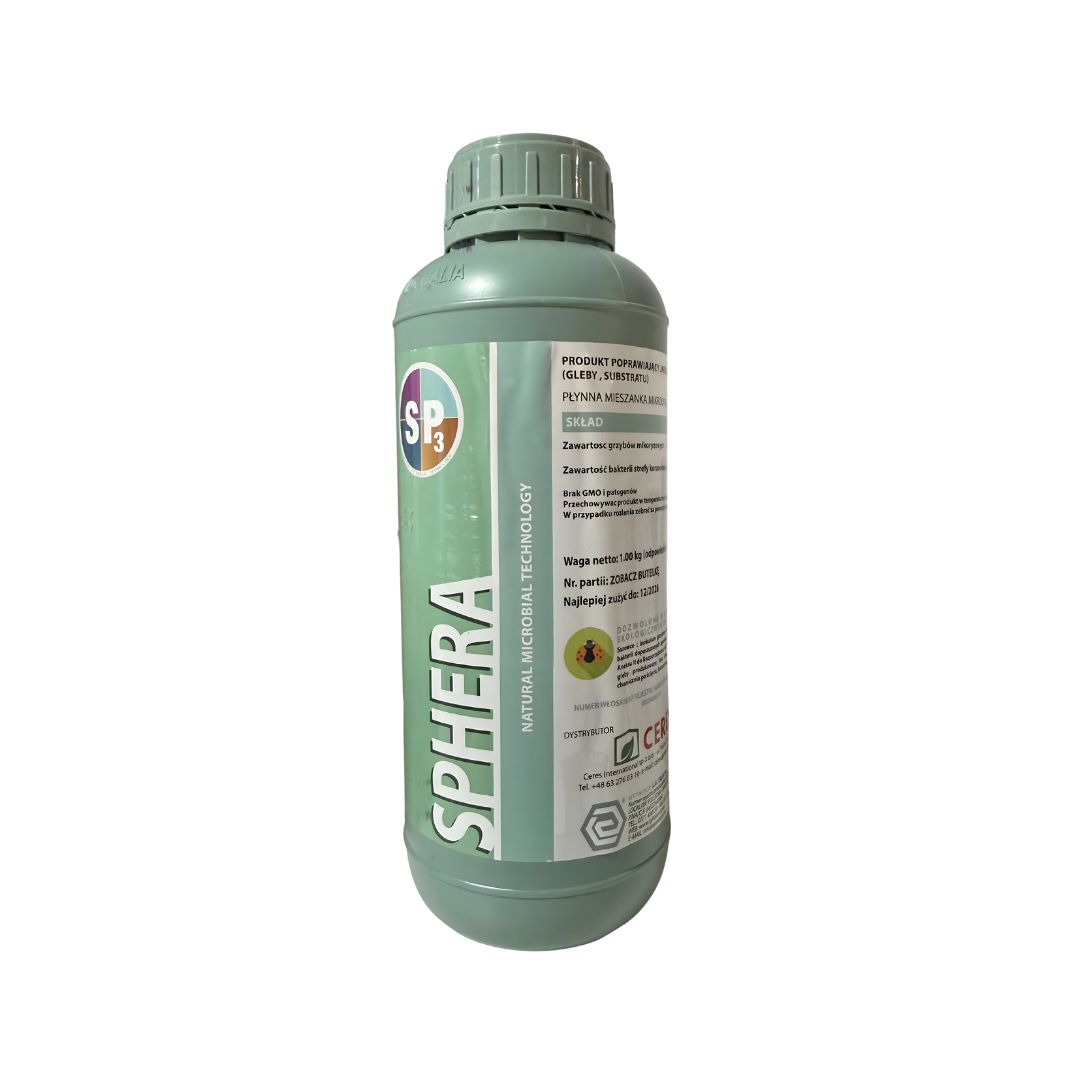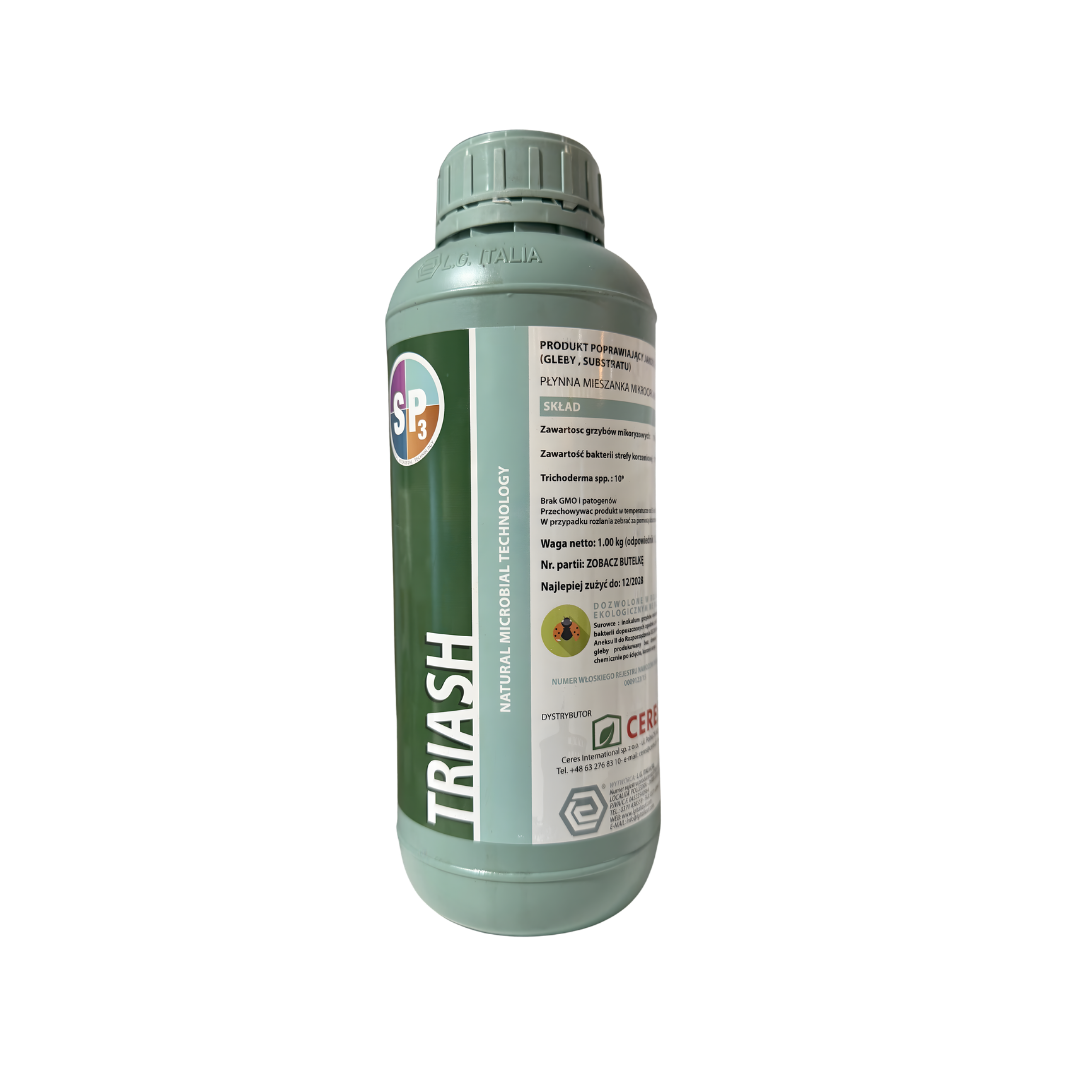
Opis
Microbiology of the rhizosphere as the foundation of modern agriculture
Studies of the rhizosphere and the characteristics of the soil microbiome make it possible to identify various types of problems in the soil, which can then be corrected by inoculating selected beneficial microorganisms.
Knowledge of the functional dynamics of the soil microbiome makes it possible to plan targeted actions through the use of bioinoculants capable of restoring balance in the soil-plant system. The goal is to increase crop productivity and resilience while reducing the use of agricultural chemicals.
The above assumptions form the basis of LG Italia’s SP3 natural microbial technology, which is represented by advanced microbial-based products(synbiotics) that integrate three key elements:
– prebiotics,
– probiotics,
– postbiotics.
The name “SP3” derives precisely from the combination of these three basic concepts.
SP3 technology in agricultural practice
In practice, SP3 technology forms the basis of specialized crop management protocols. These protocols include the inoculation of beneficial microorganisms that support and reactivate beneficial interactions occurring in the rhizosphere.
The result of the action is:
– Improving nutrient uptake efficiency,
– Increasing the biological activity of the soil,
– Indirectly reducing plant disease pressure,
– Improving the functioning of the root system.
The integrated use of prebiotics, probiotics and postbiotics in SP3 products supports the development of an agricultural production system characterized by a significant reduction in the use of mineral and synthetic fertilizers.
This approach contributes to soil fertility as a result of increased microbial biodiversity and improved organic matter content.
Regenerative agriculture and sustainable production
SP3 represents a commitment to the development of modern, sustainable and regenerative agriculture.
This brand symbolizes:
– reliability,
– professionalism,
– microbiological expertise,
– High-quality technical solutions.
The products were developed based on in-depth knowledge of the beneficial interactions of microorganisms with the plant and soil environment.
SP3 technology in soilless crops.
All SP3 products show beneficial effects on plants also in substrate cultivation. Whether it be coir, peat or mineral substrates the probiotics, prebiotics and postbiotics contained in the formulations have a pronounced effect on plant development and growth.
Benefits of SP3 technology
Visible effects on plants
The use of SP3 technology can support:
– faster development of the root system,
– More intense initial vigor,
– More efficient nutrient uptake,
– Better tolerance to water and environmental stress,
– Improving plant health,
– more even plant development
– increase yield stability
Benefits to the farm
Implementation of SP3 technology can contribute to:
Benefits to the farm
Implementation of SP3 technology can contribute to:
– Improving fertilizer efficiency,
– reducing nutrient losses,
– Increase the biological activity of the soil,
– Improving soil structure and fertility,
– Limitations of dependence on synthetic fertilizers,
– Improving production stability under stressful conditions,
– To increase the economic efficiency of the farm.
SYNBIOTICS
PREBIOTICS – PROBIOTICS – POSTBIOTICS
A synbiotic includes not only probiotics (beneficial microorganisms for plants) and prebiotics (substances that promote the growth of these microorganisms), but also postbiotics, which are metabolites produced by microorganisms that help improve plant health and soil quality.
In agriculture, the synbiotic approach, which integrates probiotics, prebiotics and postbiotics, is an advanced solution to support crop productivity and agroecosystem regeneration.
This innovative concept utilizes synergistic interactions between microorganisms, substrates and beneficial metabolites to maximize efficiency and build a sustainable and resilient agricultural production system.
PREBIOTICS
A specific substrate (e.g., polysaccharides, organic compounds or fibers) that selectively nourishes beneficial microorganisms, increasing their activity and effectiveness.
PROBIOTICS
Living microorganisms (e.g., beneficial bacteria such as Bacillus or Azospirillum, as well as mycorrhizal fungi) that have a beneficial effect on the plant and the soil environment.
POSTBIOTICS
Beneficial metabolites produced by microorganisms during their biological activity (e.g. organic acids, enzymes, siderophores, phytohormones), which directly improve soil health and plant growth and development.
THE ROLE OF POSTBIOTICS IN AGRICULTURE
Postbiotics enhance the effectiveness of synbiotics by:
– bioactive metabolites – such as organic acids, siderophores, natural antagonistic substances and phytohormones (e.g., auxins and gibberellins) that stimulate plant growth and promote soil health,
– improving soil properties – by strengthening soil structure, increasing water retention and reducing soil compaction,
– natural biocontrol – promote protection against soil-borne pathogens, nematodes and other stress factors,
– increase the efficiency of nutrient uptake – by mobilizing phosphorus, iron and other hard-to-reach elements.
TYPES OF SYNBIOTICS
– Complementary synbiotics – probiotics, prebiotics and postbiotics work independently, but their effects complement each other.
– Synergistic synbiotics – a prebiotic and a probiotic are selected to act synergistically, with the support of postbiotics, maximizing the joint biological effect.
Benefits for the plant and the farm
The use of synbiotic technologies can support:
– Restoration of soil biological activity,
– Increasing the efficiency of fertilization,
– Improving the development of the root system,
– greater plant resistance to environmental stresses,
– Reducing pressure from soil-borne pathogens,
– Improving yield stability and quality,
– biosecession of carbon
– Development of regenerative and sustainable agriculture.